

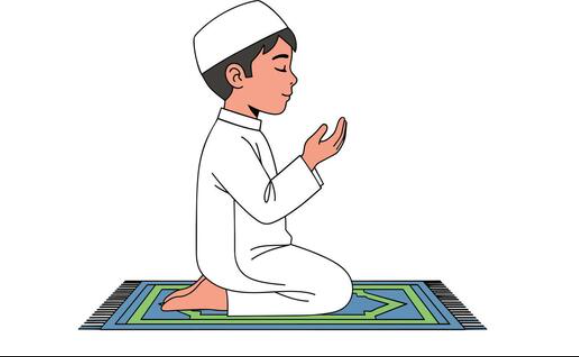
The Transformative Benefits of Ṣalāt al-Tahajjud in the Light of the Qur’an and Hadith
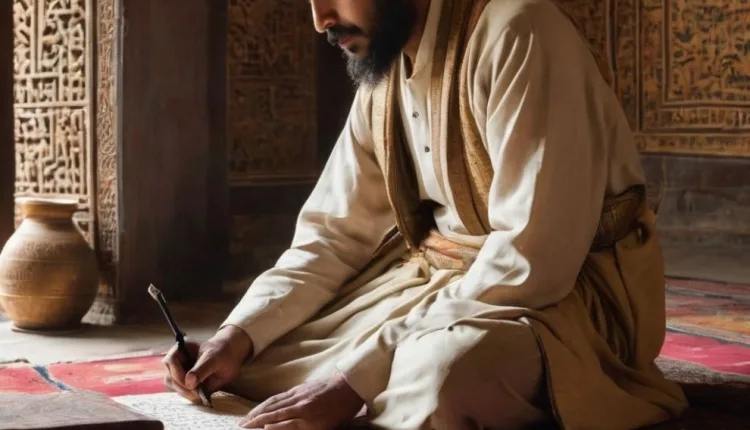
Salāt al-Tahajjud—the voluntary night prayer performed in the last part of the night—is one of the most spiritually elevating acts in Islam.…
Read More → Salāt al-Tahajjud—the voluntary night prayer performed in the last part of the night—is one of the most spiritually elevating acts in Islam.…
Read More →
Reciting the Qur’an regularly—whether completing a large portion or simply reading one page each morning—is a powerful practice that nurtures both the…
Read More →
A good Muslim’s life is guided by faith, discipline, and a constant awareness of Allah. Islam is not limited to rituals alone;…
Read More →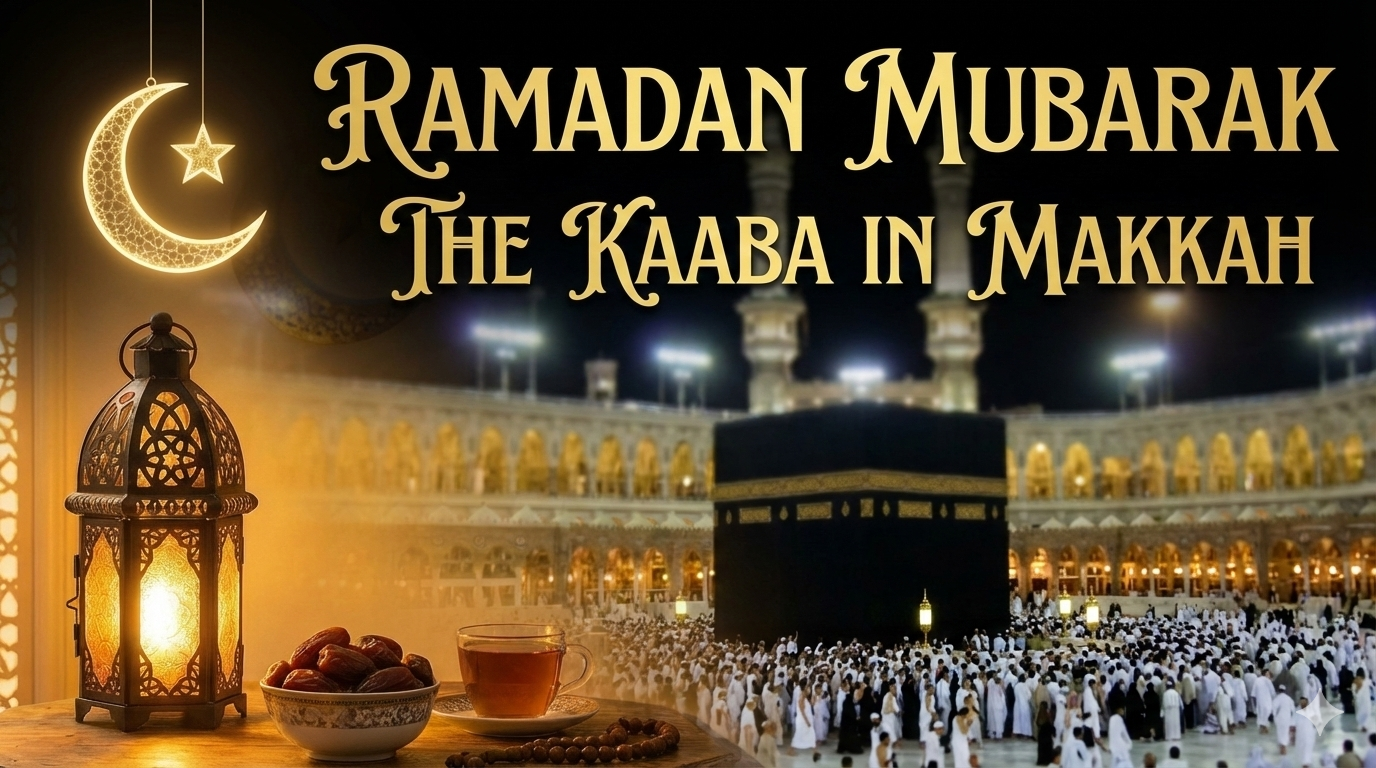
Hajj, the fifth pillar of Islam, is a sacred pilgrimage to the holy city of Makkah in Saudi Arabia, required of every…
Read More →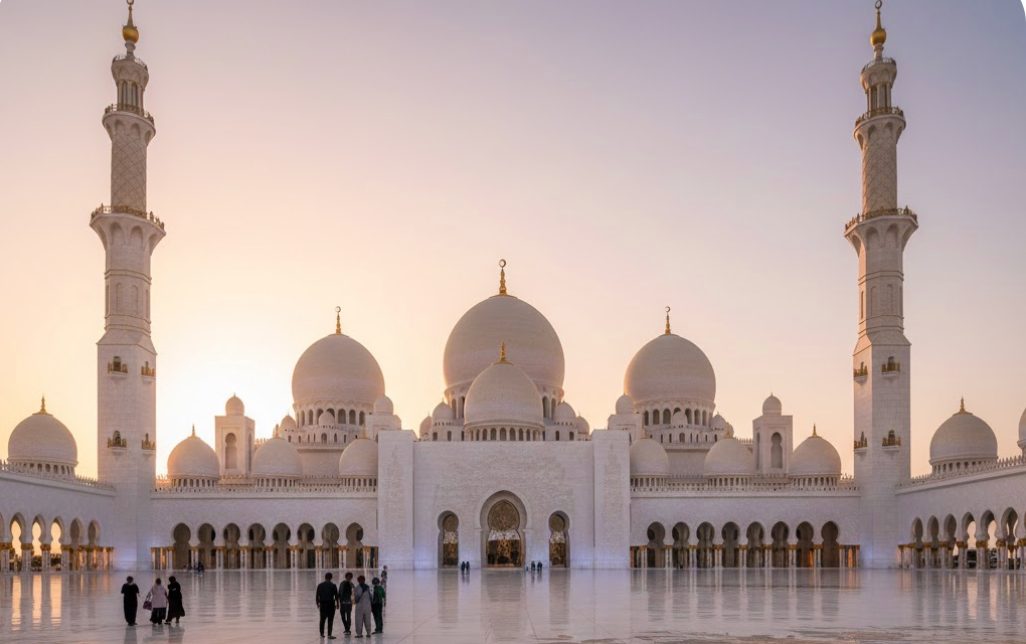
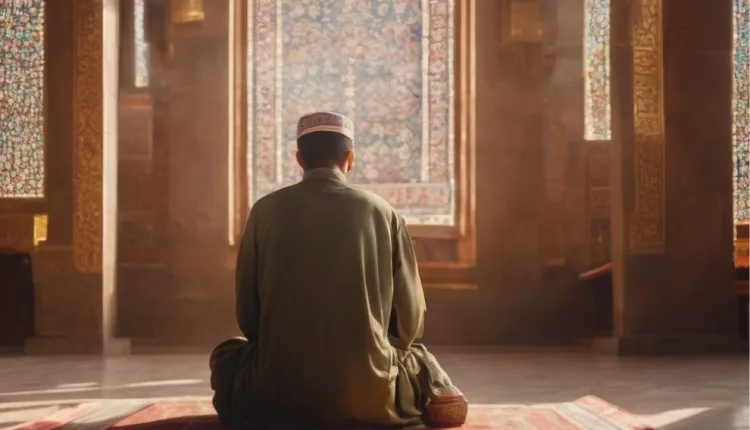
Solat (also spelled Salah) is the second pillar of Islam and refers to the ritual prayer that every adult Muslim is obligated…
Read More →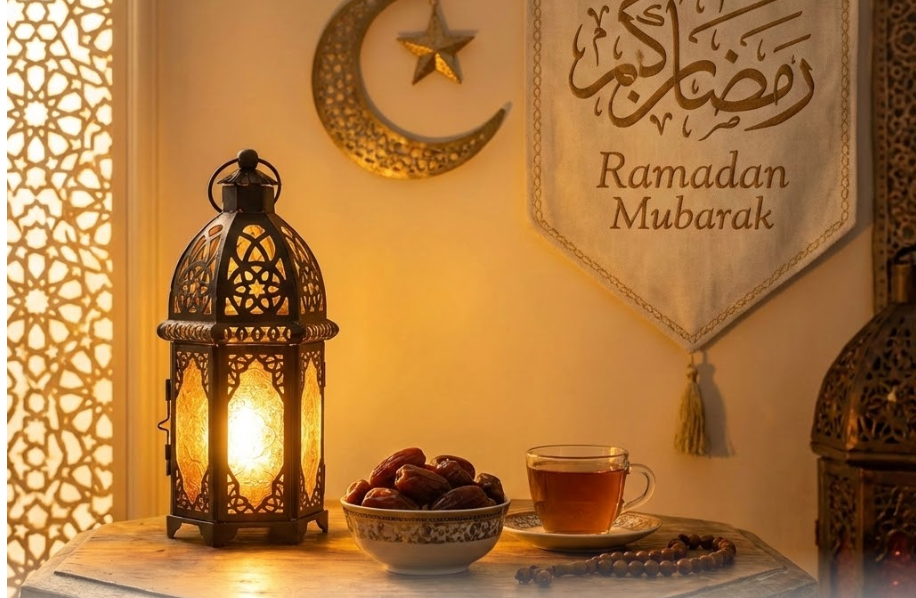
Ramadan is the ninth month of the Islamic lunar calendar and holds deep spiritual significance for Muslims around the world. It is…
Read More →الحمدُ للهِ الذي عافاني في جَسَدي وَرَدّ عَليّ روحي وَأَذِنَ لي بِذِكْرِه
Al-ḥamdu lillāhil-ladhī`āfānī fī jasadī. wa radda `alayya rūḥī. wa 'adhina lī bidhikrihi.
Praise is to Allah who gave strength to my body and returned my soul to me and permitted me to remember Him.
Ref: At-Tirmidhi 5/473. See Al-Albani's Sahih Tirmidhi 3/144. Hisnul Muslim 3
لا إلهَ إلاّ اللّهُ وَحْـدَهُ لا شَـريكَ له لهُ المُلـكُ ولهُ الحَمـد وهوَ على كلّ شيءٍ قدير سُـبْحانَ اللهِ والحمْـدُ لله ولا إلهَ إلاّ اللهُ واللهُ أكبَر وَلا حَولَ وَلا قوّة إلاّ باللّهِ العليّ العظيم رَبِّ اغْفرْ لي
Lā 'ilāha 'illallāhu waḥdahu la sharīka lahu. lahul-mulku wa lahul-ḥamdu. wa huwa 'alā kulli shay'in qadīrSubḥānallāhi, walḥamdu lillāhi. wa lā 'ilāha 'illallāhu, wallāhu 'akbar. wa lā ḥaula wa lā quwwata 'illā billāhil-`aliyyil-`aẓīm. rabbighfir lī.
There is none worthy of worship but Allah alone, Who has no partner, His is the dominion and to Him belongs all praise, and He is able to do all things. Glory is to Allah. Praise is to Allah. There is none worthy of worship but Allah. Allah is the Most Great. There is no might and no power except by Allah's leave, the Exalted, the Mighty. My Lord, forgive me.
Ref: Whoever says this will be forgiven, and if he supplicates Allah, his prayer will be answered; if he performs ablution and prays, his prayer will be accepted. Al-Bukhari, cf. Al-Asqalani, Fathul-Bari 3/39, among others. The wording here is from Ibn Majah 2/335. Hisnul Muslim 2
الحَمْـدُ لِلّهِ الّذي أَحْـيانا بَعْـدَ ما أَماتَـنا وَإليه النُّـشور
Alḥamdu lillāhil-ladhī 'aḥyānāba`da mā 'amātanāwa 'ilayhin-nushūr.
Praise is to Allah Who gives us life after He has caused us to die and to Him is the return.
Ref: Al-Bukhari, cf. Al-Asqalani, Fathul-Bari 11/113; Muslim 4/2083 Hisnul Muslim 1
مَنْ كَانَ يُؤْمِنُ بِاللَّهِ وَالْيَوْمِ الْآخِرِ فَلْيَقُلْ خَيْرًا أَوْ لِيَصْمُتْ
Man kāna yuʾminu billāhi wal-yawmil-ākhir falyakul khayran aw liyasmut.
Whoever believes in Allah and the Last Day should speak good or remain silent.
تَبَسُّمُكَ فِي وَجْهِ أَخِيكَ لَكَ صَدَقَةٌ
Tabas-sūmuka fī wajhi akhīka laka ṣadaqah.
Your smile for your brother is an act of charity.
Ref: Jami‘ at-Tirmidhi, 1956

Islamic teachings place strong emphasis on justice, honesty, and fairness in all financial matters. These principles apply not only to Muslims but…
Read More »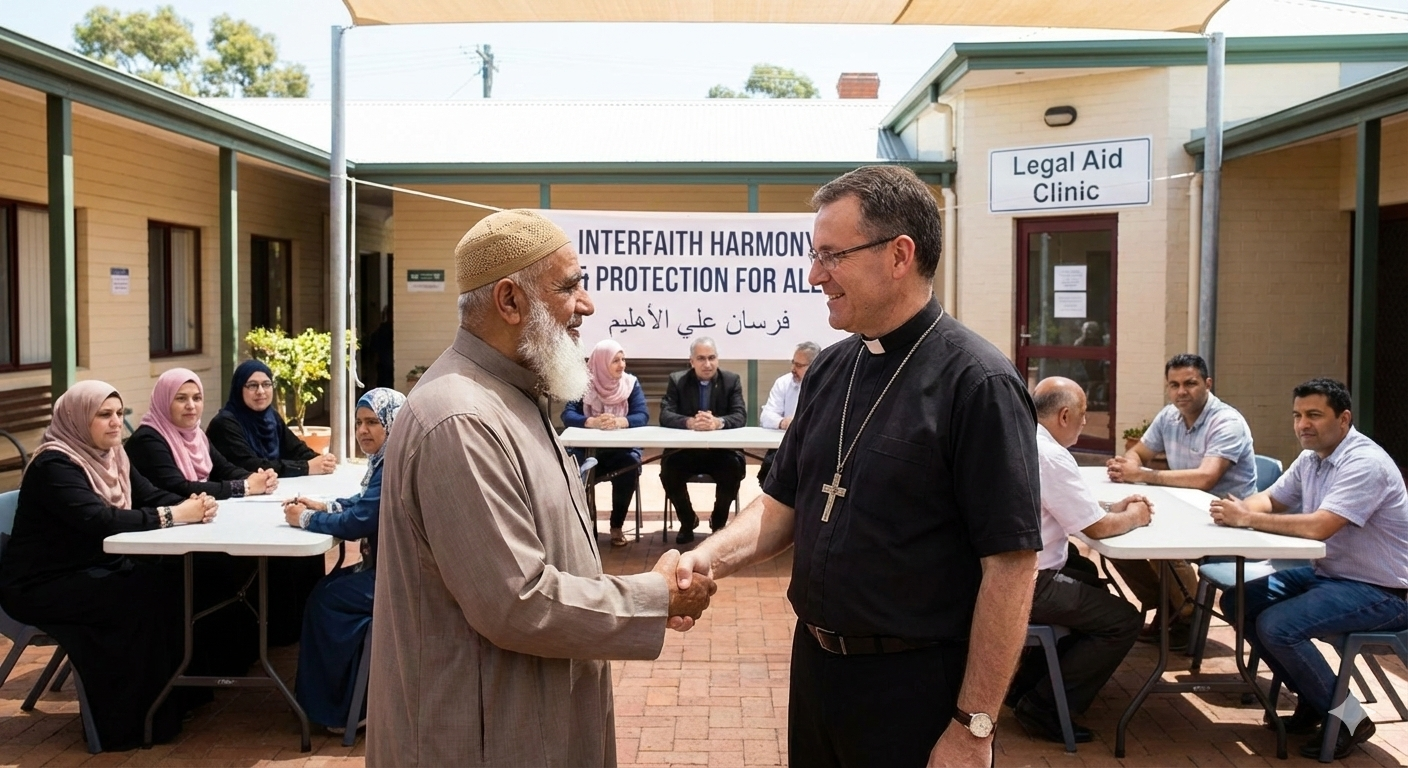
Life for non-Muslims in Islamic countries is shaped by a combination of religious principles, local laws, cultural traditions, and modern political systems.…
Read More »
Islam is a comprehensive way of life that emphasizes justice, dignity, and peaceful coexistence among all people. Throughout Islamic teachings and history,…
Read More »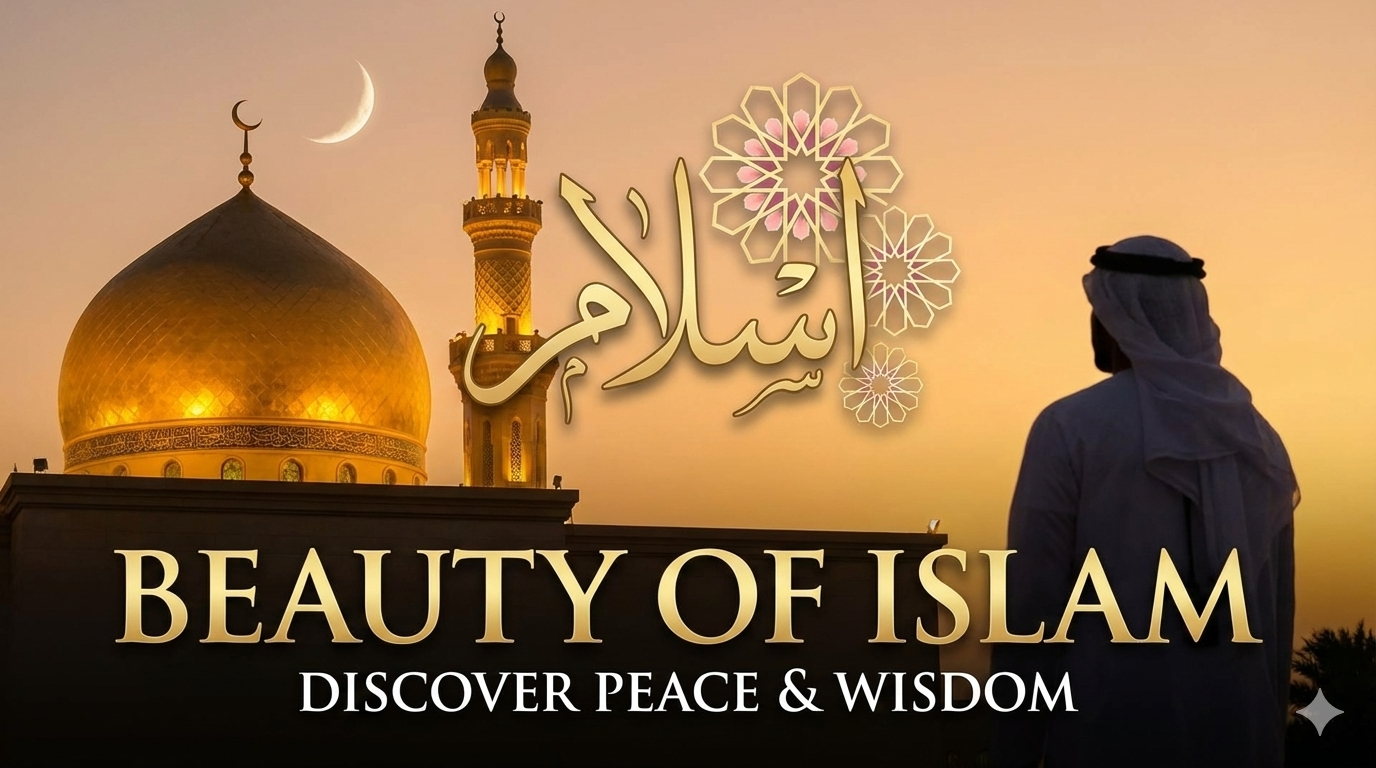
Islam is a faith followed by over a billion people around the world, yet its true beauty is often misunderstood. At its…
Read More »Islamic scholars have long discussed the ruling on music and singing, and the majority hold that musical instruments are prohibited based on…
Read More »According to the majority of Islamic scholars, masturbation for both men and women is haram (forbidden) in Islam. This ruling is based…
Read More »The Prophet Muhammad ﷺ is the best example of kindness, mercy, and good character in family life. His treatment of his wives…
Read More »Answer: Hospitality is a well-established value in Islam. It is part of Islamic manners, the tradition of the prophets and righteous people,…
Read More »

Quran, Hadith, Dua, prayer times, qibla and more — free on Android. Download the app and keep faith close, anywhere.
![Rahman Ya Rahman- Mishary Rashid Al Afasy [Nasheed] With English Translation](https://i.ytimg.com/vi/JzzjOXQ-G8I/hqdefault.jpg)

